
Why Churches Need Proper Deliverance Ministry Training
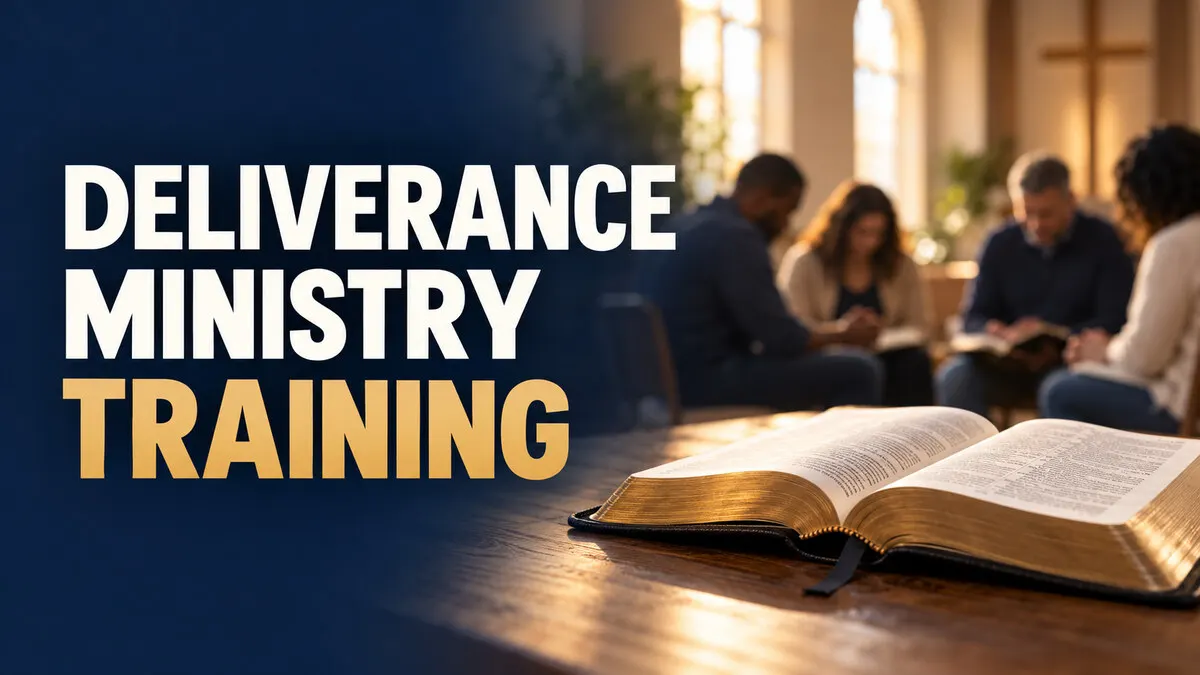
Churches need proper deliverance ministry training so believers can minister in the authority of Jesus Christ with biblical understanding, dependence on the Holy Spirit, and responsible pastoral care. Good training prepares a team to pray with faith, recognize the limits of its understanding, protect the dignity of those receiving ministry, and connect deliverance with ongoing discipleship.
I believe Jesus still sets captives free. The Holy Spirit has not stopped working, and the church should still expect God to move in power. We should preach the gospel, pray for the sick, and minister deliverance in the name of Jesus.
That conviction gives us a reason to prepare. When someone comes to the church seeking freedom, we should be ready to serve them well. Enthusiasm matters, but a person’s care should not depend on whether a volunteer remembers something they watched online.
What is deliverance ministry training?
Deliverance ministry training equips Christians to understand and practice ministry that seeks freedom from demonic oppression through Jesus Christ. It should include biblical teaching, prayer, spiritual discernment, Christlike character, accountable ministry practices, and follow-up that helps people grow as disciples.
The goal is a prepared church: believers who know whom they serve, understand the authority of Jesus, and can care for people with confidence and compassion.
Jesus trained disciples to minister in His authority
In Mark 3:14–15, Jesus appointed the Twelve to be with Him, to preach, and to have authority to cast out demons. Notice that being with Him belongs in the same passage as being sent by Him. Their ministry grew out of their relationship with Jesus.
Luke 9:1–2 records Jesus giving the Twelve power and authority over demons and sending them to proclaim God’s kingdom and heal. Later, a larger group returned rejoicing that demons submitted to them in His name. Jesus directed their deepest joy toward their belonging to God (Luke 10:17–20).
Acts 8:5–8 shows Philip preaching Christ in Samaria as people experienced deliverance and healing. The result included great joy in the city. I believe the church today should continue this Spirit-empowered ministry. We should equip people to serve under Christ’s authority while keeping their hearts fixed on Him.
Why spiritual power and proper preparation belong together
Training cannot manufacture the anointing. A course does not become the source of our authority, and a memorized procedure cannot take the place of the Holy Spirit. We minister in Jesus’ name and depend on His power.
Scripture also calls church leaders to equip believers for ministry. Ephesians 4:11–16 connects that equipping with maturity, sound teaching, and growth in love. We should take that responsibility seriously in every area where we care for people, including deliverance.
In Acts 4:29–31, the believers prayed for boldness while asking God to stretch out His hand to heal and perform signs and wonders through Jesus. That is a prayer the church should still pray. As we ask God to move, we can also teach our teams how to serve faithfully when someone asks for ministry.
Six essentials of proper deliverance ministry training
1. A biblical foundation centered on Jesus
Begin with the gospel, Christ’s victory, and the believer’s identity in Him. Colossians 1:13–14 describes our rescue from the authority of darkness and our redemption in God’s Son. People should leave our teaching with greater confidence in Jesus.
Study deliverance passages in context. Ask what the passage actually says before building a method around it. Teach spiritual warfare without making people preoccupied with demons or treating every difficulty as evidence of demonic activity.
2. Dependence on the Holy Spirit
Prayer must remain central to preparation. Encourage team members to cultivate a real devotional life, listen carefully, and stay responsive to the Holy Spirit. First Corinthians 12:7 describes the manifestation of the Spirit as being given for the common good.
We should welcome spiritual gifts and exercise them with humility. An impression should be weighed rather than used to pressure someone into accepting a spiritual explanation. Faith allows us to pray boldly while being honest about what we do and do not know.
3. Character that can carry responsibility
Look for teachability, self-control, compassion, and integrity. A gifted person still needs correction. A confident person still needs accountability. First Corinthians 13 makes love essential to the exercise of spiritual gifts.
When Jesus redirected the returning disciples’ joy toward heaven, He gave us an important safeguard against pride. A ministry team should celebrate what God does without building its identity around dramatic encounters, public attention, or being considered spiritually superior.
4. Discernment that listens before drawing conclusions
Teach people to listen to the person seeking help. Ask clear, respectful questions instead of supplying an explanation and expecting agreement. Never pressure someone to confess an event they cannot remember or accept an accusation against themselves or another person.
Deliverance ministry is spiritual ministry, not medical diagnosis. Physical or mental-health symptoms do not establish demonic involvement. Pray with faith while supporting appropriate professional care; never tell someone to stop prescribed treatment. Urgent health or safety needs require prompt professional help.
5. Ministry practices that honor the person
Explain the proposed ministry and obtain willing consent. Respect a person’s decision to decline touch, pause, or stop. Protect private information, and never record or share someone’s session or testimony without clear permission.
Pastors should establish oversight, safeguarding procedures, and a way to raise concerns. No hitting, forced restraint, intimidation, or humiliation belongs in prayer ministry. Christ’s authority gives us every reason to minister with confidence and gentleness.
My guide on how to prepare for deliverance prayer can help your team understand the questions people may bring.
6. A clear connection to discipleship
Plan what happens after prayer before you begin. Who will follow up? Where can the person ask questions? How will they connect with the life of the church?
Jesus commanded us to make disciples and teach them to obey Him (Matthew 28:19–20). Deliverance belongs within that calling. Help people grow through Scripture, prayer, repentance, healthy relationships, and the support of mature believers. For practical next steps, read what to do after deliverance.
How can a church begin training a deliverance team?
Start with your pastor and a small group of mature, teachable believers. Agree on your biblical foundation and the place this ministry will have within the church’s wider pastoral care.
- Study together. Read the relevant Gospel and Acts passages in context, and discuss what they teach about Jesus and ministry.
- Establish clear responsibilities. Identify who oversees the team, how concerns are handled, and when additional pastoral or professional help is needed.
- Prepare before leading. Use structured teaching, discuss realistic ministry situations, and learn alongside experienced, accountable leaders.
- Build follow-up into the process. Give people a clear next step and a connection to ongoing discipleship.
Do not wait until a difficult situation unfolds in a service to decide how your team should respond. Prepare with prayer and care now.
Frequently asked questions about deliverance ministry training
Do Christians need a qualification before praying for someone?
No formal qualification is needed to offer ordinary Christian prayer. Leading a church’s deliverance ministry, however, carries responsibilities that deserve preparation and pastoral oversight. Training helps believers understand those responsibilities; it does not grant the authority that belongs to Jesus.
Is deliverance ministry only for pastors?
I believe Spirit-empowered ministry reaches beyond pastors alone. The church is called to equip believers for service. Local leaders should consider maturity, character, understanding, and accountability when assigning ministry roles, rather than assuming everyone should immediately lead a team.
Does training replace the anointing of the Holy Spirit?
No. We need the Holy Spirit’s power and guidance. Training helps us handle Scripture faithfully, recognize responsibility, and serve people wisely. It should deepen our dependence on God and our willingness to receive correction.
What should I look for in a deliverance ministry course?
Look for clear biblical foundations, a focus on Jesus, responsible teaching about spiritual authority, respect for people, and a strong connection to discipleship. Consider the teacher’s accountability and how you will apply the teaching under your own church’s leadership.
Can an online course prepare a church ministry team?
An online course can provide structured teaching and a shared foundation for discussion. Pair that learning with pastoral oversight, appropriate safeguarding, and supervised experience. Completing lessons alone does not establish that someone is ready for every ministry situation.
Take the next step in deliverance ministry training
If you want to grow in this area, I invite you to explore my Deliverance Ministry Training Course. Come ready to study Scripture, strengthen your understanding of spiritual authority, and think carefully about how you serve people in the power of the Holy Spirit.
Pastors, consider making structured training part of your team’s preparation, alongside the oversight and discipleship of your local church. Believers, bring your desire to learn to your leaders and take the next step with a teachable heart.
Let’s prepare our churches to minister with faith, expect Jesus to move, and care well for the people He brings to us.