Should a Christian Celebrate Halloween?
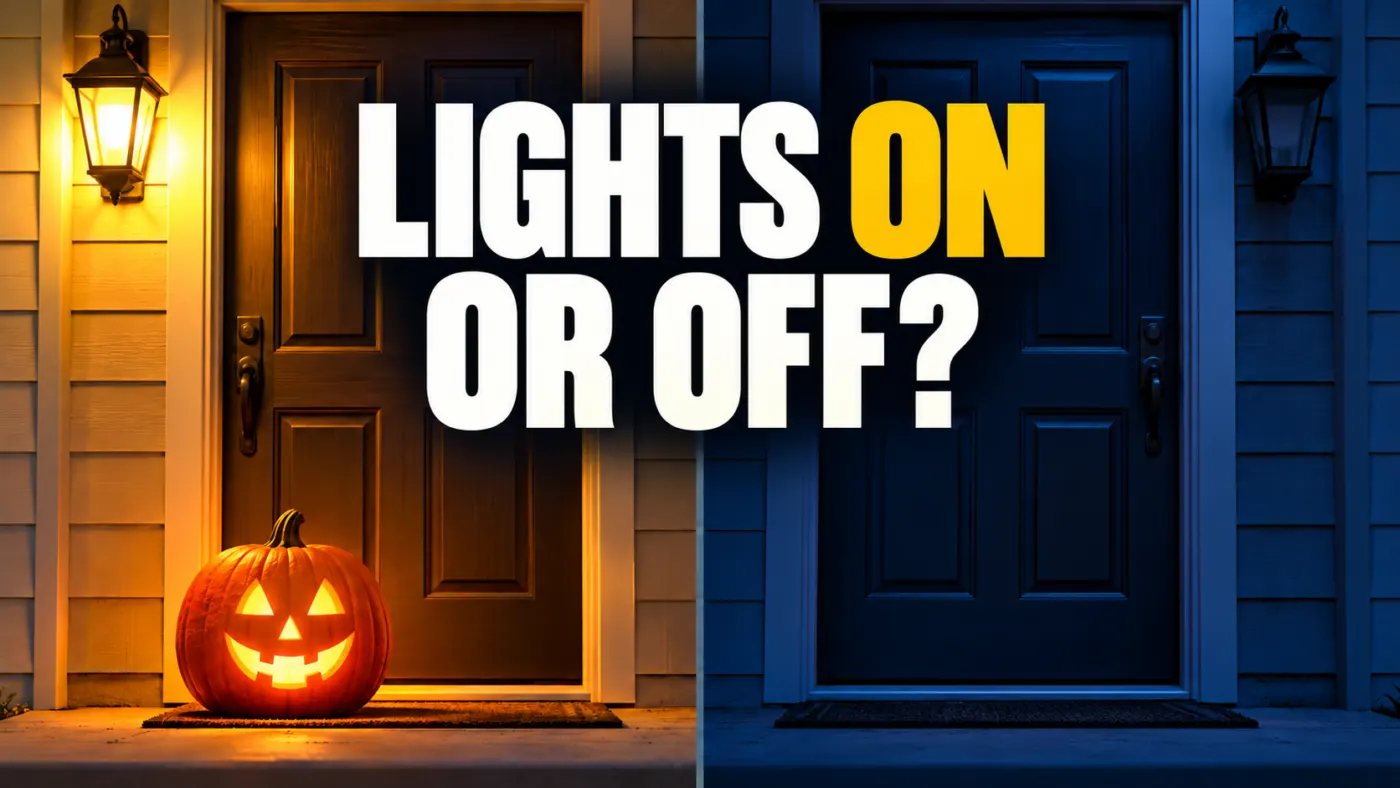
I believe Christians should not celebrate Halloween. When I look at its emphasis on fear, darkness, death, and occult imagery through the lens of Scripture, I do not believe it is something we should embrace. At the same time, I believe October 31 can be an incredible opportunity to share the gospel and show people the goodness of Jesus.
Those convictions belong together. We can draw a clear line in our own lives and still welcome the people who come to our door with kindness, generosity, and the good news.
Maybe you have asked, “What is wrong with a costume or some candy?” That is a fair question. As Christians, you and I need to bring our decisions back to the Word of God. Popular opinion and familiar traditions cannot be the final authority for how we live.
Watch my full Halloween teaching
What does the Bible say about Halloween?
The Bible does not name the modern holiday of Halloween. My conclusion comes from applying biblical teaching about fear, idolatry, holiness, and our witness to the things we celebrate.
In 1 Corinthians 10:20–21, Paul warns believers against participation in pagan sacrifices and fellowship with demons. In 2 Corinthians 6:14–15, he asks what fellowship light has with darkness. Those passages address spiritual allegiance. I believe that allegiance should shape our entertainment, celebrations, and everyday choices.
I also recognize that Christians disagree about how to apply these passages to particular activities. We should talk about those differences with respect. In the video, I ask people to stay civil and kind. Strong conviction should never become an excuse to treat someone cruelly.
Here are the five reasons behind the position I teach.
1. Halloween makes fear part of the entertainment
My first concern is the celebration of fear. Horror movies, haunted houses, frightening costumes, and disturbing decorations invite people to enjoy being terrified. I want us to consider what we are allowing to take root in our hearts.
Second Timothy 1:7 points us toward the power, love, and soundness of mind God gives. That is the direction I want my life to move.
In the teaching, I share how watching Candyman as a child left me frightened of walking past a mirror at night for years. The movie ended, but the fear stayed with me. That experience is one reason I take seriously what we entertain, especially around children.
I believe there are spiritual consequences to deliberately feeding fear. Ask yourself: What is this producing in me? Does it help me trust God, or does it fill my imagination with torment? I want the Word of God taking root in my heart and the fruit of the Holy Spirit growing in my life.
2. Occult practices are incompatible with following Jesus
My second concern is Halloween’s association with witchcraft and occult themes. I do not want believers becoming casual about practices Scripture tells us to leave behind.
The biblical instruction in Ephesians 5:11 is to have no fellowship with the unfruitful works of darkness. Acts 19:18–20 gives us a powerful picture of people responding to the gospel: those who had practiced magic brought their books together and burned them. Their response showed a decisive break with their former practices.
I apply that same seriousness to astrology, mediums, psychics, and attempts to engage spiritual powers apart from God. Calling something entertainment does not settle whether it belongs in a Christian’s life.
My concern reaches beyond a debate about where every holiday custom began. In the video, I acknowledge that a practice’s origin and its later meaning can differ. The question we still have to answer is what we are embracing now. I believe celebrations that make witchcraft and demonic imagery attractive are something Christians should refuse.
3. Our celebrations should honor God
First Corinthians 10:31 tells us to do everything for God’s glory. That principle reaches into ordinary life, including the things we choose for fun. Colossians 1:10 likewise calls us to live in a way that pleases the Lord and bears good fruit.
So I ask a straightforward question: How does celebrating demonic imagery honor Jesus?
I cannot reconcile dressing as a demon or celebrating witchcraft with a desire to glorify the Lord. Our lives are a witness. What we say, what we enjoy, and what we present to other people communicate something about the One we follow.
Before deciding what your family will do, bring the question to Scripture. Consider the actual activity, the message it sends, and the desires it encourages. My conviction is that honoring Jesus gives us a better standard than simply asking whether everyone else is doing it.
4. Halloween magnifies death and darkness
Another concern is the attention given to death, gore, demons, and darkness. When these become the centerpiece of a celebration, I believe we need to stop and ask what we are magnifying.
Philippians 4:8 directs our thoughts toward what is true, pure, lovely, and worthy of praise. That gives us a practical way to evaluate the images and entertainment we welcome.
Think about the atmosphere being created in your home. Think about the pictures your children are carrying in their minds. Are we helping them recognize the goodness of God and the life found in Jesus? Are we making evil seem attractive or amusing?
I want us to take those questions seriously. As followers of Jesus, we have something wonderful to celebrate: His goodness, His life, and His power to bring people out of darkness. Those truths deserve our attention.
5. Christians are called to be set apart
My fifth reason concerns the pressure to fit in. Sometimes the strongest argument for joining a celebration is that we do not want to feel excluded.
I understand wanting people to like you. I talk about that in the teaching. But following Jesus means there will be times when our choices look different from the choices around us.
James 4:4 warns about friendship with the world that puts us in opposition to God. I apply that warning to the temptation to compromise our devotion to Christ for acceptance. Our desire to belong cannot become more important than our desire to obey Him.
Being set apart should also make our witness visible. People ought to see the light of Jesus in how we live. When they need prayer, hope, or help, they should know there is something different about the life we are offering.
Do not miss the opportunity to share the gospel
Here is an important part of my teaching: I do not want us to become so dogmatic about Halloween that we miss people standing right in front of us.
Churches may hold a fall festival, harvest event, or trunk-or-treat where families can receive kindness and hear the gospel. My emphasis is the opportunity to make Jesus known. The purpose and content of the event matter.
Consider what happens in a neighborhood on Halloween. People who might never otherwise walk up to your house come and knock on your door. That can become an opportunity to bless them, offer prayer, and put the message of Jesus in their hands.
In the video, I suggest giving candy with a gospel tract or a gospel-focused comic. And I encourage you to give good candy! Show generosity and excellence. A child or parent may read that message later, and the Holy Spirit can work through the seed that was planted.
My recommendation is to use the opportunity intentionally. Make the gospel clear, treat every visitor kindly, and keep Jesus at the center. If someone responds and wants to follow Him, our I Just Got Saved guide is a next-step resource you can share.
Questions Christians ask about Halloween
Does the Bible explicitly forbid Halloween?
No passage names the modern holiday. My position is an application of Scripture’s teaching about spiritual allegiance, fear, holiness, and honoring God. I encourage you to read the passages in context and examine your choices honestly.
Can Christians give out candy?
In my teaching, I encourage giving candy as part of an intentional opportunity to bless neighbors and share the gospel. My objection is to celebrating darkness. I see welcoming people with generosity and the message of Jesus as a meaningful opportunity for ministry.
What about church fall festivals or trunk-or-treat events?
I recognize that these can give churches an opportunity to reach families. Consider what the event actually celebrates and whether people will hear the gospel. Keep the focus on Jesus and the people you have an opportunity to serve.
How should I respond to Christians who disagree?
Stay kind and respectful. Explain your conviction from Scripture without turning the conversation into an argument. You can hold a firm position while speaking to another person with love.
Choose what honors Jesus
So, should a Christian celebrate Halloween? My answer is no. I believe the themes it celebrates give Christians good reason to step away.
I also believe we should step toward people with the gospel. Let your choices reflect your devotion to Jesus. Let your home and your conversations show His goodness. And when someone comes to your door, recognize the opportunity to plant a seed that the Holy Spirit can bring to life.
For more teaching on living and witnessing through the Spirit’s power, read The Baptism in the Holy Spirit.